记忆方法
1、ac = 尖(拉丁 acus 义为针,故 ac- 表尖):尖能扎人——病来得又急又扎、感官尖、脑子尖、声音尖、情况严重,五个义项一个"尖"字收干净。
2、同支一串带 ac- 的都"刺激":acid 酸的、acrid 辛辣的、ague 疟疾(一阵一阵来得急),连 edge(刀刃)也说出自这个"尖"。
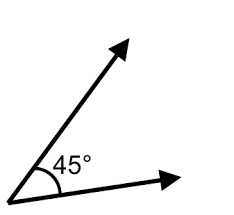
3、成对记最省力:acute infection 急性感染 对 chronic 慢性的(它就是 chronic 的反面);acute angle 锐角。重音在后两音节,读 /əˈkjuːt/,别把 cu 念成"库"。
2、同支一串带 ac- 的都"刺激":acid 酸的、acrid 辛辣的、ague 疟疾(一阵一阵来得急),连 edge(刀刃)也说出自这个"尖"。
3、成对记最省力:acute infection 急性感染 对 chronic 慢性的(它就是 chronic 的反面);acute angle 锐角。重音在后两音节,读 /əˈkjuːt/,别把 cu 念成"库"。
机器生成的内容难免有错,看到不靠谱的拆解请告诉我们
词族 · acute
派生词
中文词源
acute 急性的
来自词根ac 尖。-ute,形容词后缀。
英语词源
- acute
-
acute: [14] Acute derives from Latin acūtus ‘sharp’ (which was also the source of English ague). This was the past participle of the verb acuere ‘sharpen’, which in turn was probably formed from the noun acus ‘needle’. Like the related acid, acetic, and acrid, it can be traced back to an Indo-European base *ak- ‘be pointed’, which was also the ultimate source of oxygen and edge.
=> acetic, acid, acrid, ague, cute, edge, oxygen - acute (adj.)
- late 14c., originally of fevers and diseases, "coming and going quickly" (opposed to a chronic), from Latin acutus "sharp, pointed," figuratively "shrill, penetrating; intelligent, cunning," past participle of acuere "sharpen" (see acuity). Meaning "sharp, irritating" is from early 15c. Meaning "intense" is from 1727. Related: Acutely; acuteness.
权威例句
- 1. I was laid up in bed with acute rheumatism.
- 我染上了急性风湿,卧病在床。
- 2. In the dark my sense of hearing becomes so acute.
- 黑暗中我的听觉变得异常灵敏。
- 3. Into her nineties, her thinking remained acute and her character forceful.
- 虽已年届九旬,她依然头脑敏锐,个性很强。
- 4. The report has caused acute embarrassment to the government.
- 报告将政府置于窘境。
- 5. A patient going through acute detox will have an assigned nurse nearby.
- 接受急性脱瘾治疗的病人身边会有一名指派的护士看护。
词语辨析
【sharp, keen, acute, shrewd】
这组词都有“锐利的、敏锐的、机敏的”的意思,其区别是:
sharp: 指人头脑精明、敏锐或机警。
keen: 多指对复杂艰深的事物或问题有敏锐的观察和敏捷的理解。
acute: 侧重感觉敏锐,能分辨出一般人难以觉察的细微区别。
shrewd: 指有头脑,善于判断分析,精明过人。
【critical, crucial, urgent, acute】
这组词都有“严重的,重要的”的意思,其区别是:
critical: a.意为"关键的",表示处于极度缺乏的状态或事件的转折点,与crucial相似。
• 与crucial的区别在于它对缺乏的或危急的程度有更准确的衡量;还指"批判性的,分析性的"。
• It is critical that you study hard for the exam or you will fail it. 为了考好你必须用功学习,则你会不及格的。
crucial: a.意为"决定性的,紧要关头的,至关重要的",最为笼统,适用于上述两种情况。
• Improved consumer confidence is crucial to an economic recovery. 消费者信心的增强对经济的复苏是至关重要的。
urgent: a.意为"紧迫的,急迫的,紧要的",它不强调所指的问题是最重要的,仅强调"紧急的"状态。
• We have an urgent need for help; we are running out of water. 我们急需要帮助,我们的水就快要用光了。
acute: a.剧烈的,严重的;急性的(病)。
• An acute lack of food brought hunger to the Iraqi people. 食品严重缺乏,伊拉克人民正在忍饥挨饿。