记忆方法
1、wool 的印欧老家 *wel- 管"撕、拔"——毛是拔下来的一团。同族 lanolin(羊毛脂,拉丁 lana 羊毛的门下)、flannel(法兰绒,威尔士语 gwlān 一路传来)、fleece(剪下的羊毛;动词"剪毛宰客")。
2、pull the wool over someone's eyes 把毛往人眼上一捂——蒙蔽人。dyed in the wool 字面是原毛先染、着色最透,转义"彻头彻尾、根深蒂固",政坛老话里就是死硬派。
3、拼读 /wʊl/:oo 是短 u 音同 book,别念成 wall;两个 l 都要落地(成 syllabic 音节 l)。a wool coat 羊毛大衣。
2、pull the wool over someone's eyes 把毛往人眼上一捂——蒙蔽人。dyed in the wool 字面是原毛先染、着色最透,转义"彻头彻尾、根深蒂固",政坛老话里就是死硬派。
3、拼读 /wʊl/:oo 是短 u 音同 book,别念成 wall;两个 l 都要落地(成 syllabic 音节 l)。a wool coat 羊毛大衣。
机器生成的内容难免有错,看到不靠谱的拆解请告诉我们
中文词源
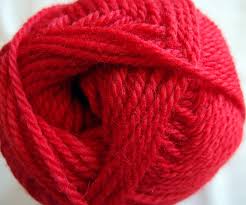
wool 羊毛
来自PIE*wele,羊毛,词源同lanolin,fleece,进一步来自PIE*wel,撕,拔,词源同vulture,svelte.
英语词源
- wool
-
wool: [OE] Wool goes back to Indo-European *wlná, which also produced Latin lāna (source of English lanolin [19]), Czech vlna, Polish wełna, and Welsh gwlān (probable source of English flannel). In prehistoric Germanic it had become *wullō, which evolved into German wolle, Dutch wol, Swedish ull, Danish uld, and English wool.
=> flannel, lanolin - wool (n.)
- Old English wull "wool, fine soft hair which forms the coat of some animals," from Proto-Germanic *wulno (cognates: Old Norse ull, Old Frisian wolle, Middle Dutch wolle, Dutch wol, Old High German wolla, German wolle, Gothic wulla), from PIE *wele- (1) "wool" (cognates: Sanskrit urna; Avestan varena; Greek lenos "wool;" Latin lana "wool," vellus "fleece;" Old Church Slavonic vluna, Russian vulna, Lithuanian vilna "wool;" Middle Irish olann, Welsh gwlan "wool").
Figurative expression pull the wool over (someone's) eyes is recorded from 1838, American English. To be literally dyed in the wool (1725, as opposed to dyed in the piece) is to be so before spinning, while the material is in its raw state, which has a more durable effect; hence the figurative sense "from the beginning; most thoroughly," attested from 1809, and especially, in U.S. politics, from 1830.
权威例句
- 1. It's 50 per cent wool, 50 per cent acrylic.
- 它含50%的羊毛、50%的丙烯酸纤维。
- 2. She was wearing wool slacks and a paisley smock.
- 她穿着羊毛宽松裤和涡旋花纹宽袍。
- 3. The adaptability of wool is one of its great attractions.
- 用途广泛是羊毛最具吸引力的特点之一。
- 4. Wool traps your body heat, keeping the chill at bay.
- 毛织品能够保暖御寒。
- 5. Natural fabrics like silk and wool are better insulators than synthetics.
- 丝绸和羊毛之类的纯天然织物比合成纤维的保暖性更好。