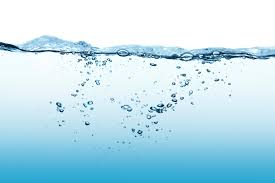
记忆方法
1、water 老家 PIE wed,语言学家说那是"无生命的水"——另有一套 ap 指"有生命的水"(水生 aquatic 一族记得它);fire(火)也有类似的一对。
2、同根亲戚:wet(湿的)、undulate(起伏波动,拉丁 unda"波浪"来)、otter(水獭,名字与水同源)、vodka(伏特加,俄语 voda"水")、whisky(威士忌,盖尔语 uisge"水")。
3、动词一路:浇水 water the flowers、眼泪 watering、把消息"泡稀" water down;勉强支撑 keep one's head above water。拼写 wa-ter,英 /ˈwɔːtə/ 美 /ˈwɔːtər/。
2、同根亲戚:wet(湿的)、undulate(起伏波动,拉丁 unda"波浪"来)、otter(水獭,名字与水同源)、vodka(伏特加,俄语 voda"水")、whisky(威士忌,盖尔语 uisge"水")。
3、动词一路:浇水 water the flowers、眼泪 watering、把消息"泡稀" water down;勉强支撑 keep one's head above water。拼写 wa-ter,英 /ˈwɔːtə/ 美 /ˈwɔːtər/。
机器生成的内容难免有错,看到不靠谱的拆解请告诉我们
词族 · water
派生词
中文词源
water 水
来自PIE*wed,水,湿的,词源同wet,undulate,otter.该词通常被语言学家认为是无生命的水,而PIE*ap则是有生命的水,词源同aquatic,Punjab.参照fire,ignite.
英语词源
- water
-
water: [OE] Water is an ancient and widespread word, which goes back ultimately to prehistoric Indo-European *wodōr. Its relatives include Greek húdōr ‘water’ (source of the English prefix hydro-), Latin unda ‘wave’ (source of English redundant, surround, undulate, etc), Russian voda ‘water’ (source of English vodka), Gaelic uisge ‘water’ (source of English whisky), Lithuanian vanduō ‘water’, Latvian ūdens ‘water’, Sanskrit udán ‘water’, and Hittite watar ‘water’.
In the Germanic languages it has become German wasser (source of English vaseline), Dutch and English water, Swedish vatten, and Danish vand. Otter comes from a variant of the same Indo-European base, as may winter, and wet is closely related.
=> abound, hydro-, otter, redundant, surround, undulate, vaseline, vodka, wet, whisky - water (n.1)
- Old English wæter, from Proto-Germanic *watar (cognates: Old Saxon watar, Old Frisian wetir, Dutch water, Old High German wazzar, German Wasser, Old Norse vatn, Gothic wato "water"), from PIE *wod-or, from root *wed- (1) "water, wet" (cognates: Hittite watar, Sanskrit udrah, Greek hydor, Old Church Slavonic and Russian voda, Lithuanian vanduo, Old Prussian wundan, Gaelic uisge "water;" Latin unda "wave").
To keep (one's) head above water in the figurative sense is recorded from 1742. Water cooler is recorded from 1846; water polo from 1884; water torture from 1928. Linguists believe PIE had two root words for water: *ap- and *wed-. The first (preserved in Sanskrit apah as well as Punjab and julep) was "animate," referring to water as a living force; the latter referred to it as an inanimate substance. The same probably was true of fire (n.). - water (v.)
- Old English wæterian "moisten, irrigate, supply water to; lead (cattle) to water;" from water (n.1). Meaning "to dilute" is attested from late 14c.; now usually as water down (1850). To make water "urinate" is recorded from early 15c. Related: Watered; watering.
- water (n.2)
- measure of quality of a diamond, c. 1600, from water (n.1), perhaps as a translation of Arabic ma' "water," which also is used in the sense "lustre, splendor."
权威例句
- 1. Nora was deflowered by a man who worked in a soda-water factory.
- 在汽水厂工作的一个男子夺去了诺拉的童贞。
- 2. Wash your hands thoroughly with hot soapy water before handling any food.
- 在拿吃的之前,用热肥皂水把手好好地洗干净。
- 3. Put a pan of salted water on to boil.
- 将一锅盐水放上去煮。
- 4. Water in the engine compartment is sucked away by a hose.
- 发动机舱里的水由一条软管抽走。
- 5. Basal metabolism is much lower for creatures in cold water.
- 冷水中生物的基础代谢速度要低很多。