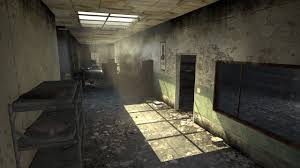
记忆方法
发音想成“未垦的”。
看到不对的地方请告诉我们
词族 · vacant
词形变化
中文词源
vacant 空着的
来自拉丁语vacare,空的,词源同vain.
英语词源
- vacant
-
vacant: [13] Latin vacāre meant ‘be empty’. Its present participle vacāns has provided English with vacant, while its past participle lies behind English vacate [17] and vacation [14]. It also formed the basis of an adjective vacuus ‘empty’, from which English gets vacuous [17] and vacuum [16] (the term vacuum cleaner is first recorded in 1903, and the consequent verb vacuum in 1922). English avoid and void come from a variant of Latin vacāre.
=> vacate, vacuum - vacant (adj.)
- c. 1300, "not filled, held, or occupied," from Old French vacant "idle, unoccupied" (of an office, etc.), from Latin vacantem (nominative vacans), "empty, unoccupied," present participle of vacare "to be empty" (see vain). Meaning "characterized by absence of mental occupation" is from 1570s. Related: Vacantly.
权威例句
- 1. They may headhunt her for the vacant position of Executive Producer.
- 他们可能会挖她去填补执行制片人这一空缺职位。
- 2. The vacant W.B.C. junior-lightweight title has been called off.
- 空缺的世界拳击理事会次轻量级头衔被取消了。
- 3. Vacant rooms on the campus were being used by holidaying families.
- 校园里的闲置宿舍住着一些度假的家庭。
- 4. Half way down the coach was a vacant seat.
- 车厢中部有一个空座。
- 5. The seat next to him was vacant.
- 他旁边的座位空着。
词语辨析
【open, blank, vacant, hollow, empty】
这组词都有“空的”的意思,其区别是:
open: 指未被占有,从而可被别人得到的。
blank: 指上面没有写字、印刷或做记号的空白表面,或指上面留着准备被填写的空白处。
vacant: 普通用词,侧重某物或某个位置没有被占用。
hollow: 指物体中间是空的。
empty: 指空无一人或一物,或空洞无意义的。
【free, vacant, empty】
free: 空的,指清除了或缺少了某物,与of 或from连用。如:She is free from anxiety.(她无忧无虑。)She is free of him.(她摆脱了他。)
vacant: 空闲的,指地方没有被占用。如:One day, man can make full use of vacant space.(将来,人们会充分利用浩瀚的天空。)empty,vacant和相同的名词连用时,含义不同。如an empty house指房子里既无家具也无人,空荡荡的。而a vacant house指房子没有被人占用,里面可有家具,也可无家具。
empty: 空的,指里面什么东西都没有。如:The case is empty.(这是个空箱子。)