词族 · urchin
词形变化
中文词源
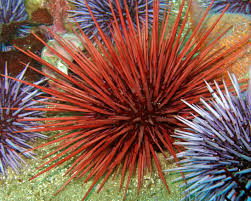
urchin 海胆,流浪儿
来自拉丁语ericius,刺猬,来自PIE*ghers,刺,刺毛,词源同horror.
英语词源
- urchin
-
urchin: [13] Urchin originally meant ‘hedgehog’. It was borrowed from Old Northern French herichon, which came via Vulgar Latin *hēriciō from Latin hērīcius or ērīcius ‘hedgehog’, a derivative of ēr ‘hedgehog’. This ancestral sense now survives only dialectally, but its spiny connotations are preserved in sea urchin, which dates from the late 16th century. The metaphorical ‘dirty scruffy child, brat’ emerged in the 16th century too. The second syllable of caprice goes back to Latin ērīcius.
=> caprice - urchin (n.)
- c. 1300, yrichon "hedgehog," from Old North French *irechon (cognates: Picard irechon, Walloon ireson, Hainaut hirchon), from Old French herichun "hedgehog" (Modern French hérisson), formed with diminutive suffix -on + Vulgar Latin *hericionem, from Latin ericius "hedgehog," enlarged form of er, originally *her, from PIE root *ghers- "to bristle" (cognates: Greek kheros "hedgehog;" see horror).
Still used for "hedgehog" in non-standard speech in Cumbria, Yorkshire, Shropshire. Applied throughout 16c. to people whose appearance or behavior suggested hedgehogs, from hunchbacks (1520s) to goblins (1580s) to bad girls (1530s); meaning "poorly or raggedly clothed youngster" emerged 1550s, but was not in frequent use until after c. 1780. Sea urchin is recorded from 1590s (a 19c. Newfoundland name for them was whore's eggs); Johnson describes it as "a kind of crabfish that has prickles instead of feet."
权威例句
- 1. "Urchin", with its connotation of mischievousness, may not be a particularly apt word.
- urchin有淘气的含义,可能不是一个特别恰当的词。
- 2. a dirty little street urchin
- 肮脏的街头小乞丐
- 3. You should sheer off the urchin.
- 你应该躲避这顽童.
- 4. He is a most wicked urchin.
- 他是个非常调皮的顽童.
- 5. An urchin who had frequently seen him before, stopped to gaze.
- 一个以前常在那里看见他的顽童, 停下来观望着.