记忆方法
1、tie 的词根是"拉、拽":绳子一拉紧就把东西绑住了。同一家离得不远:team 最早指套在同一副挽具上一起拉车的一群牲口,后来才变成一队人;再往后是 tug 用力拽、tow 拖船、duct 管道、duke 公爵、educate 教导(原义"引出来")。
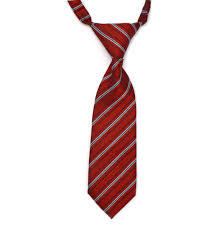
2、义项链:系住 → 领带 necktie、鞋带 shoelaces(tie your shoes)→ 比赛分不出胜负,被绳子拴平了我不动你不动,就是"打平 a tie"。
3、"绑"的近义分工:tie 用绳索扎紧捆牢;bind 把两个以上东西牢牢绑在一起;fasten 固定住不让它动;chain 特指用链条锁住。
2、义项链:系住 → 领带 necktie、鞋带 shoelaces(tie your shoes)→ 比赛分不出胜负,被绳子拴平了我不动你不动,就是"打平 a tie"。
3、"绑"的近义分工:tie 用绳索扎紧捆牢;bind 把两个以上东西牢牢绑在一起;fasten 固定住不让它动;chain 特指用链条锁住。
机器生成的内容难免有错,看到不靠谱的拆解请告诉我们
词族 · tie
中文词源
tie 系,绑,连接,领结,平局
来自古英语 teag,绳子,带子,来自 Proto-Germanic*taugo,拉,来自 PIE*deuk,拉,词源同 tow,conduct.并引申诸相关词义。
英语词源
- tie
-
tie: [OE] Tie comes from a prehistoric Germanic *taugian. This was derived from the base *taukh-, *teuk- ‘pull’ (source also of English team and tug and closely related to tow). And this in turn went back to Indo-European *deuk-, which also produced Latin dūcere ‘lead’ (source of English duct, duke, etc). The use of the noun tie for a ‘necktie’ dates from the mid 18th century.
=> duct, duke, educate, team, teem, tow, tug - tie (n.)
- Old English teag, "cord, band, thong, fetter," literally "that with which anything is tied," from Proto-Germanic *taugo (cognates: Old Norse taug "tie," tygill "string"), from PIE *deuk- "to pull, to lead" (cognates: Old English teon "to draw, pull, drag;" see duke (n.)).
Figurative sense is recorded from 1550s. Sense of "cravat, necktie" (usually a simple one knotted in front) first recorded 1761. The railway sense of "cross-beam between and beneath rails to keep them in place" is from 1857, American English. Meaning "equality between competitors" is first found 1670s, from notion of a connecting link. Tie-breaker is recorded from 1938. - tie (v.)
- Old English tigan, tiegan "to tie, bind, join, connect," from the source of tie (n.). Meaning "to finish equal to a competitor" is from 1888. Related: Tied; tying. To tie the knot in the figurative sense "form a union" is from 1707. Tie one on "get drunk" is recorded from 1944.
权威例句
- 1. Despite the heat, he'd swapped his overalls for a suit and tie.
- 尽管很热,他还是脱掉工作服换上了西装和领带。
- 2. He was a big man, smartly dressed in a suit and tie.
- 他身材高大,穿着西服打着领带,非常帅气。
- 3. They'll meet the winners of the first round tie.
- 他们将迎战第一轮淘汰赛中的胜者。
- 4. Of course, the old school tie has been a help.
- 校友关系当然是帮了忙的。
- 5. He wore a T-shirt that had been tie-dyed in bright colours.
- 他身穿一件颜色鲜艳的扎染的T恤。
词语辨析
【chain, tie, secure, bind, fasten】
这组词都有“扎牢、捆、绑”的意思,其区别是:
chain: 专指用链条或金属环将某人或某物锁住或系住。
tie: 普通用词,指用绳索等将东西扎紧捆牢。
secure: 指将某物紧紧地固定起来,使之完全无损。
bind: 多指把两个或两个以上的人或物牢牢地系或扎在一起。
fasten: 指把某物牢牢地拴在、钉在或锁在另一物上,使不能任意移动。
这组词都有“扎牢、捆、绑”的意思,其区别是:
chain: 专指用链条或金属环将某人或某物锁住或系住。
tie: 普通用词,指用绳索等将东西扎紧捆牢。
secure: 指将某物紧紧地固定起来,使之完全无损。
bind: 多指把两个或两个以上的人或物牢牢地系或扎在一起。
fasten: 指把某物牢牢地拴在、钉在或锁在另一物上,使不能任意移动。