记忆方法
1、soil 两套:土地、国土这套来自拉丁 solum(地面),与 sole(脚底、鞋底)同物——脚掌踏处即地面;弄脏这套老家是"小猪窝"。
2、"弄脏"出自拉丁 suculus"小猪"——sow(母猪)沾亲,sully(玷污)同出一门:把东西 soil,字面等于"给它做间猪圈"。
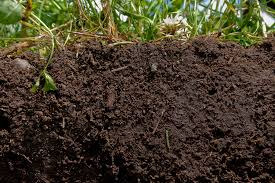
3、词义辨析:soil 特指能长庄稼植物的土;land 指陆地国土,ground 大地表面,earth 带水分的泥土。soil your hands 弄脏手,soiled 脏兮兮。拼写 so-il,/sɔɪl/。
2、"弄脏"出自拉丁 suculus"小猪"——sow(母猪)沾亲,sully(玷污)同出一门:把东西 soil,字面等于"给它做间猪圈"。
3、词义辨析:soil 特指能长庄稼植物的土;land 指陆地国土,ground 大地表面,earth 带水分的泥土。soil your hands 弄脏手,soiled 脏兮兮。拼写 so-il,/sɔɪl/。
机器生成的内容难免有错,看到不靠谱的拆解请告诉我们
词族 · soil
中文词源
soil 大地,陆地,国土,领土
来自中古英语 soile,大地,陆地,来自拉丁语 solum,脚掌,地面,陆地,来自 PIE*swol,脚掌, 词源同 sole,脚掌。引申词义国土,领土。
soil 污泥,土壤,粪泥,肥料,弄脏,玷污来自古英语 sol,污泥,土壤,粪泥,来自 Proto-Germanic*sula,污泥,泥土,来自 PIE*sul,泥 浆,浓稠液体,词源同 sully,弄脏,玷污。
英语词源
- soil
-
soil: Soil ‘ground’ [14] and soil ‘make dirty’ [13] are distinct words. The former comes from Anglo-Norman soil ‘land’. This was the formal descendant of Latin solium ‘seat’, but its use for ‘land’ appears to have arisen from confusion with Latin solum ‘ground’. Etymologically, to soil something virtually amounts to making a pigsty of it. The verb comes via Old French souiller from Vulgar Latin *suculāre ‘make dirty’, a derivative of Latin suculus ‘little pig’. This was a diminutive form of sūs ‘pig’, a relative of English sow. French souiller may also be the source of English sully [16].
=> sow, sully - soil (v.)
- early 13c., "to defile or pollute with sin," from Old French soillier "to splatter with mud, to foul or make dirty," originally "to wallow" (12c., Modern French souillier), from souil "tub, wild boar's wallow, pigsty," which is from either Latin solium "tub for bathing; seat," or Latin suculus "little pig," from sus "pig." Literal meaning "to make dirty, begrime" is attested from c. 1300 in English. Related: Soiled; soiling.
- soil (n.1)
- c. 1300, originally "land, area, place," from Anglo-French soil "piece of ground, place" (13c.), from an merger or confusion of Old French sol "bottom, ground, soil" (12c., from Latin solum "soil, ground;" see sole (n.1)), Old French soeul, sueil "threshold, area, place" (from Latin solium "seat"), and Old French soil, soille "a miry place," from soillier (see soil (v.)).
Meaning "place of one's nativity" is from c. 1400. Meaning "mould, earth, dirt" (especially that which plants grow in) is attested from mid-15c. - soil (n.2)
- "filth, dirt, refuse matter, sewage, liquid likely to contain excrement," c. 1600, earlier "miry or muddy place" (early 15c.), from Old French soille "miry place," from soillier (v.) "to make dirty," and in part a native formation from soil (v.). This is the sense in archaic night-soil.
权威例句
- 1. The constitution prohibits them from military engagement on foreign soil.
- 宪法禁止他们在外国采取军事行动。
- 2. The chalky soil around Saumur produces the famous Anjou wines.
- 索米尔周围的白垩质土壤出产著名的安茹葡萄酒。
- 3. She gathered loose soil and let it filter slowly through her fingers.
- 她捧起疏松的泥土,任其缓缓地从指间漏下。
- 4. The soil washed from the hills is silting up the hydroelectric dams.
- 从山上冲刷下来的泥土就要让水电大坝淤塞了。
- 5. The soil must not be overwatered, especially during the first few weeks.
- 切忌土壤过涝,尤其在最初几周。
词语辨析
【clay, mud, dust, ground, land, earth, dirt, soil】
这组词都有“土地,土,泥”的意思,其区别是:
clay: 特指潮湿时发粘,而火烤后变坚硬的泥土。
mud: 指湿土,尤指雨后稀泥、污泥。
dust: 特指土壤干燥后,飞扬于空中的细微泥土。
ground: 通常指大地的表面,也可指土壤、泥土或场地。
land: 含义笼统。指与河流、海洋相对的陆地,也指可耕种的土地。
earth: 多指地表带有水分的泥土,较具体。
dirt: 指地表的干松泥土。
soil: 特指适宜栽种农作物或生长各种植物的泥土。
这组词都有“土地,土,泥”的意思,其区别是:
clay: 特指潮湿时发粘,而火烤后变坚硬的泥土。
mud: 指湿土,尤指雨后稀泥、污泥。
dust: 特指土壤干燥后,飞扬于空中的细微泥土。
ground: 通常指大地的表面,也可指土壤、泥土或场地。
land: 含义笼统。指与河流、海洋相对的陆地,也指可耕种的土地。
earth: 多指地表带有水分的泥土,较具体。
dirt: 指地表的干松泥土。
soil: 特指适宜栽种农作物或生长各种植物的泥土。