记忆方法
1. sed- / sid- => sit.
看到不对的地方请告诉我们
词族 · sit
中文词源
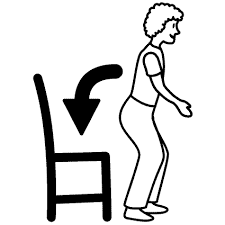
sit 坐下,坐落,停落
来自古英语 sittan,坐下,坐落,停留,来自 Proto-Germanic*setjan,坐下,来自 PIE*sed,坐下, 词源同 set,sedentary.引申诸相关词义。
英语词源
- sit
-
sit: [OE] Sit comes from a prehistoric Germanic *sitjan or *setjan, which also produced German sitzen, Dutch zitten, Swedish sitta, and Danish sidde. This was derived from a base *set-, source also of English seat, set (etymologically ‘cause to sit’), and settle. And this in turn went back to the Indo-European base *sed- ‘sit’, which has contributed hugely to English vocabulary – mainly through its Latin descendant sedēre ‘sit’ (source of English assess, insidious, séance, session, size, subsidy, etc), but also via Welsh, in the form of eisteddfod.
It lies in addition behind English saddle and soot, and its other progeny include Russian sidet’, Serbo-Croat sjediti, and Latvian sēdēt ‘sit’.
=> assess, eisteddfod, insidious, saddle, séance, seat, session, set, settle, size, subsidy - sit (v.)
- Old English sittan "to occupy a seat, be seated, sit down, seat oneself; remain, continue; settle, encamp, occupy; lie in wait; besiege" (class V strong verb; past tense sæt, past participle seten), from Proto-Germanic *setjan (cognates: Old Saxon sittian, Old Norse sitja, Danish sidde, Old Frisian sitta, Middle Dutch sitten, Dutch zitten, Old High German sizzan, German sitzen, Gothic sitan), from PIE root *sed- (1) "to sit" (see sedentary).
With past tense sat, formerly also set, now restricted to dialect, and sate, now archaic; and past participle sat, formerly sitten. In reference to a legislative assembly, from 1510s. Meaning "to baby-sit" is recorded from 1966.
To sit back "be inactive" is from 1943. To sit on one's hands was originally "to withhold applause" (1926); later, "to do nothing" (1959). To sit around "be idle, do nothing" is 1915, American English. To sit out "not take part" is from 1650s. Sitting pretty is from 1916.
权威例句
- 1. Teachers staged a sit-down protest in front of the president's office.
- 老师们在校长办公室门前举行了一场静坐抗议。
- 2. Let's sit down and then you can say what's up.
- 咱们先坐下来,然后你把事情告诉我。
- 3. We can't just sit by and watch you throw your life away.
- 我们不能眼睁睁地看着你毁掉自己的生活。
- 4. Now sit down and make yourself comfortable. You must be very tired.
- 现在坐下来,让自己舒服些,你一定很累了。
- 5. I've asked Mum to sit for us next Saturday.
- 我已经拜托妈妈下周六为我们临时照看一下孩子。
词语辨析
【sit, seat】
这组词都有“坐”的意思,其区别是:
sit: 多用作不及物动词,用作及物动词时,可与seat换用。
seat: 及物动词,常与反身代词连用,常用过去分词seated形式。
这组词都有“坐”的意思,其区别是:
sit: 多用作不及物动词,用作及物动词时,可与seat换用。
seat: 及物动词,常与反身代词连用,常用过去分词seated形式。