记忆方法
1、rock 两套:岩石是从古法语借来的,来源不详;摇晃是本土老词,日耳曼 rukk(动)一支,rock 'n' roll 里的 rock 就是"摇晃"这一支——rocket(火箭,嗖地蹿出)与 ratchet(棘轮,一顿一顿地转)同出一系。
2、rock the boat 惹事,on the rocks 泡汤(字面"撞暗礁";也说威士忌加冰),between a rock and a hard place 进退两难。
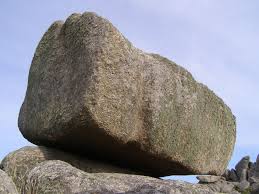
3、与 stone/pebble/gravel 分:rock 是大岩体或突出地面的巨石,stone 泛指石头,pebble 卵石,gravel 砂砾。名词"岩石"与动词"摇晃"两义两来源。拼写 r-ock,英 /rɒk/ 美 /rɑːk/。
2、rock the boat 惹事,on the rocks 泡汤(字面"撞暗礁";也说威士忌加冰),between a rock and a hard place 进退两难。
3、与 stone/pebble/gravel 分:rock 是大岩体或突出地面的巨石,stone 泛指石头,pebble 卵石,gravel 砂砾。名词"岩石"与动词"摇晃"两义两来源。拼写 r-ock,英 /rɒk/ 美 /rɑːk/。
机器生成的内容难免有错,看到不靠谱的拆解请告诉我们
词族 · rock
中文词源
rock 岩石,石块,摇晃,摇滚
1.岩石,石块,来自古英语 rocc,石头,岩石,词源同拉丁语 rocca,岩石,词源不详。 2.摇晃,摇滚,来自古英语 roccian,摇晃,摇摆,来自 Proto-Germanic*rukkon,摇晃,纺纱, 来自 PIE*rug,纺纱,词源同 rocket,ratchet.引申词义摇滚乐。
英语词源
- rock
-
rock: English has two words rock, both of uncertain origin. The older, ‘sway’ [11], goes back to a prehistoric Germanic base *rukk- ‘move’, which also produced German rücken ‘move’ and Dutch rukken ‘pull, jerk’, but beyond that its trail goes cold. Rock ‘stone’ [14] was borrowed from Old French rocque. This has relatives in Italian rocca and Spanish roca, but where it ultimately came from is not known. The French word is also the ultimate source of English rococo.
=> rococo - rock (n.1)
- "stone, mass of mineral matter," c. 1300, from Old English rocc (as in stanrocc "stone rock or obelisk") and directly from Old North French roque, which is cognate with Medieval Latin rocca (8c.), from Vulgar Latin *rocca, of uncertain origin, according to Klein sometimes said to be from Celtic (compare Breton roch).
In Middle English it seems to have been used principally for rock formations as opposed to individual stones. Meaning "precious stone, especially a diamond," is 1908, U.S. slang. Meaning "crystallized cocaine" is attested from 1973, in West Coast U.S. slang. Figurative use for "sure foundation" (especially with reference to Christ) is from 1520s; but also from 1520s as "source of danger or destruction," in reference to shipwrecks (as in on the rocks). Also used attributively in names of animals that frequent rocky habitats, as in rock lobster (1843). Between a rock and a hard place first attested 1921:to be between a rock and a hard place, vb. ph. To be bankrupt. Common in Arizona in recent panics; sporadic in California. ["Dialect Notes," vol. V, part iv, 1921]
Rock-ribbed is from 1776, originally of land; figurative sense of "resolute" first recorded 1887. Rock-happy (1945) was U.S. Pacific Theater armed forces slang for "mentally unhinged after too much time on one island." The rock-scissors-paper game is attested by that name from 1976; from 1968 as paper-stone-scissors. A 1967 source says it is based on Japanese Jan Ken Pon (or Janken for short), which is said to mean the same thing more or less. - rock (v.1)
- "to sway," late Old English roccian "move a child gently to and fro," related to Old Norse rykkja "to pull, tear, move," Swedish rycka "to pull, pluck," Middle Dutch rucken, Old High German rucchan, German rücken "to move jerkily."
Meaning "cause to sway back and forth" is from late 13c. Intransitive sense from late 14c. For popular music senses, see rock (v.2). Related: Rocked; rocking. To rock the boat in the figurative sense "stir up trouble" is from 1914. Rock-a-bye first recorded 1805 in nursery rhyme. - rock (v.2)
- "to dance to popular music with a strong beat," 1948 (first attested in song title "We're gonna rock"), from rock (v.1), in earlier blues slang sense of "to cause to move with musical rhythm" (1922); often used at first with sexual overtones (as in 1922 song title "My Man Rocks Me (with One Steady Roll)"). Sense developed early 1950s to "play or dance to rock and roll music." Related: Rocked; rocking. Rocksteady, Jamaican pop music style (precursor of reggae), is attested from 1969.
- rock (n.2)
- "action of rocking; a movement to and fro," 1823, from rock (v.1). As short for rock and roll, by 1957; but sense of "musical rhythm characterized by a strong beat" is from 1946, in blues slang. Rock star attested by 1966.
权威例句
- 1. He once told an interviewer that he didn't even like rock music.
- 他曾告诉一位采访者,他甚至都不喜欢摇滚乐。
- 2. A young man plunged from a sheer rock face to his death.
- 一名男青年从陡峭的岩壁上坠崖身亡。
- 3. Changing stresses bring about more cracking and rock deformation.
- 不断变化的应力导致更多的断裂和岩石变形。
- 4. Rock'n'roll has become so commercialised and safe since punk.
- 摇滚乐自从朋克乐以后就已经过于商业化而缺乏新意了。
- 5. He had been a rock in the shifting sands of her existence.
- 他一直是她曲折坎坷的生活中的主心骨。
词语辨析
【pebble, stone, rock, gravel】
这组词都有“石、石头”的意思,其区别是:
pebble: 多指海边、河边或沙中圆形的小卵石。
stone: 普通用词,泛指井然的或经加工的各类石头,可大可小。
rock: 普通用词,指构成地表最坚硬部分或突出于周围地面的巨大岩石,也可指石头或石块。
gravel: 集合名词,常指用于铺路的小石子和沙砾。
【sway, rock, swing】
这组词都有“摇动”的意思,其区别是:
sway: 主要指树枝等的来回摇动。
rock: 多指猛烈地摇动或摇晃。
swing: 指有规律地前后、上下摆动,也可指不停地转动。
这组词都有“石、石头”的意思,其区别是:
pebble: 多指海边、河边或沙中圆形的小卵石。
stone: 普通用词,泛指井然的或经加工的各类石头,可大可小。
rock: 普通用词,指构成地表最坚硬部分或突出于周围地面的巨大岩石,也可指石头或石块。
gravel: 集合名词,常指用于铺路的小石子和沙砾。
【sway, rock, swing】
这组词都有“摇动”的意思,其区别是:
sway: 主要指树枝等的来回摇动。
rock: 多指猛烈地摇动或摇晃。
swing: 指有规律地前后、上下摆动,也可指不停地转动。