词族 · pupil
词形变化
中文词源
pupil 小学生
来自拉丁语pupillus,小男孩,来自pupus的小词形式,来自pupus,男孩,可能来自PIE*pup,鼓起,膨胀,拟声词,引申词义生长,或来自PIE*pau,小的,少的,词源同few,pedagogue.
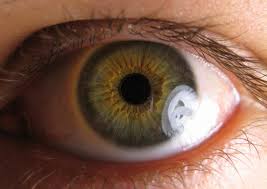
pupil 瞳孔,瞳仁来自拉丁语pupilla,小女孩,来自pupillus 的阴性格。因反射在瞳孔的人像如同小女孩而得名。
英语词源
- pupil
-
pupil: [14] Latin pūpus and pūpa meant respectively ‘boy’ and ‘girl’ (pūpa was applied by the Swedish naturalist Linnaeus to ‘chrysalises’, the underlying link being ‘undeveloped creature’, and English adopted it as pupa [19]). The diminutive derivatives pūpillus and pūpilla denoted ‘orphan’, a sense which remained with pūpill- as it passed via Old French pupille into English as pupil. ‘Person being taught’ did not emerge until the 16th century.
The application of the word to the ‘black aperture in the eye’, which reached English in the mid-16th century, goes back to Latin pūpilla, which was also used for ‘doll’ – the notion being that if you stand close to someone and look into their eyes, you can see yourself reflected in the pupils like a little ‘doll’.
=> pupa, puppet, puppy - pupil (n.1)
- "student," late 14c., originally "orphan child, ward," from Old French pupille (14c.) and directly from Latin pupillus (fem. pupilla) "orphan child, ward, minor," diminutive of pupus "boy" (fem. pupa "girl"), probably related to puer "child," possibly from PIE *pup-, from root *pu- "to swell, inflate." Meaning "disciple, student" first recorded 1560s. Related: Pupillary.
- pupil (n.2)
- "center of the eye," early 15c. (in English in Latin form from late 14c.), from Old French pupille (14c.), from Latin pupilla, originally "little girl-doll," diminutive of pupa "girl; doll" (see pupil (n.1)), so called from the tiny image one sees of himself reflected in the eye of another. Greek used the same word, kore (literally "girl"), to mean both "doll" and "pupil of the eye;" and compare obsolete baby "small image of oneself in another's pupil" (1590s), source of 17c. colloquial expression to look babies "stare lovingly into another's eyes."
Self-knowledge can be obtained only by looking into the mind and virtue of the soul, which is the diviner part of a man, as we see our own image in another's eye. [Plato, "Alcibiades," I.133]
权威例句
- 1. After his education, Goldschmidt became a pupil of the composer Franz Schreker.
- 学业结束后,戈尔德施米特成了作曲家弗朗兹·施雷克尔的学生。
- 2. This can cause regression in a pupil's learning process.
- 这可能会使学生在学习过程中退步。
- 3. As a girl she had been a model pupil.
- 还是个小女孩的时候,她就是一个模范学生。
- 4. Eleanor was a reluctant, anxious pupil.
- 埃莉诺是个扭捏局促的小学生。
- 5. a capitation fee for each pupil
- 摊派到每个小学生头上的收费
词语辨析
【student, learner, pupil, scholar】
这组词都有“学生”的意思,其区别是:
student: 普通用词,可指中学生,但主要指高等学校或专科学校的学生。
learner: 通俗用词,指某一门学问上的初学者,尤指成年的初学者。
pupil: 特指中小学生,尤其是小学生。
scholar: 可指一切学生,尤指学识渊博的某一学科的学者。
这组词都有“学生”的意思,其区别是:
student: 普通用词,可指中学生,但主要指高等学校或专科学校的学生。
learner: 通俗用词,指某一门学问上的初学者,尤指成年的初学者。
pupil: 特指中小学生,尤其是小学生。
scholar: 可指一切学生,尤指学识渊博的某一学科的学者。