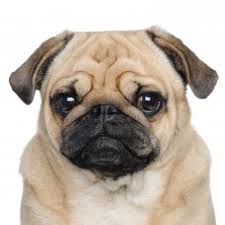
词族 · pug
词形变化
中文词源
pug 哈巴狗
可能来自puck,淘气小妖。常见亲昵语,在古义用于指小精灵,小妖怪,小猴,妓女等多种词义,后固定用于指小哈巴狗。
英语词源
- pug (n.)
- 1560s, general term of endearment (also puggy), probably related to puck (n.2); one of the earliest senses is "sprite, imp" (1610s). The sense of "miniature dog" is from 1749 (pug-dog); that of "monkey" is 1660s. The word at various times meant "a bargeman" (1590s), "a harlot" (c. 1600), and "an upper servant in a great house" (1847).
权威例句
- 1. Pug spied Harry Hopkins slouching alone in a gray suit by himself.
- 帕格瞥见哈里·霍普金斯穿着一身灰色衣服,独自一个人没精打采地走过去.
- 2. That's why this thing's hit me like an earthquake, Pug.
- 这就是为什么这件事像地震那样冲击了我, 帕格.
- 3. The party separated into three cars, with Pug driving the British guests.
- 客人们分乘三辆汽车, 帕格开着送英国客人的那辆.
- 4. Pug saw no reason not to relieve Hickman straight off.
- 帕格发现没有理由不去马上接替希克曼.
- 5. Pug saw vast quantities of Lend - Lease material in use.
- 帕格看到了大量的租借物资在发挥作用.