词族 · proton
词形变化
中文词源
proton 质子
proto-,原始的,最早的,-on,物理名词后缀,来自electron.
英语词源
- proton (n.)
- 1920 in physics, coined by English physicist Ernest Rutherford (1871-1937) from noun use of Greek proton, neuter of protos "first" (see proto-), on analogy of electron; supposedly because hydrogen was hypothesized as a constituent of all the elements. The word was used earlier in embryology (1893) as a translation of German anlage ("fundamental thing") based on Aristotle's phrase he prote ousia to proton.
权威例句
- 1. A proton is an elementary particle of matter.
- 质子是物质的基本粒子。
- 2. An electron has a negative charge, a proton has a positive charge.
- 电子带负电荷, 质子带正电荷.
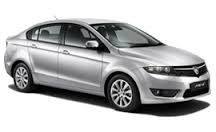
- 3. Miss Malaysia: Well , I can say that male organs in Malaysia are like proton car.
- 马来西亚小姐: 马来西亚的男性器官象proton牌轿车(马来西亚国产车).
- 4. Ms Malaysia: Well , I & nbsp ; & nbsp ; can say that Male Organs in Malaysiaare like Proton car.
- 马来西亚小姐: 马来西亚的男性器官像Proton牌轿车(马来西亚国产车).
- 5. At present nobody understands why these three quarks which are in the proton are bound together.
- 目前还没有人知道质子里面的这三个夸克为什么会结合在一起。