记忆方法
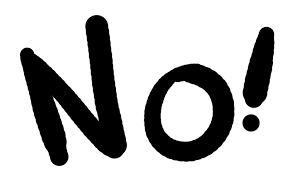
将“no”与“now”的发音相似性结合记忆。想象在“now”时刻,一个“no”字像一道闪电划过,表示否定的意思。这样的视觉联想可以帮助记忆单词的含义。
机器生成的内容难免有错,看到不靠谱的拆解请告诉我们
词族 · no
词形变化
中文词源
no 无,没有
来自古英语na,没有,绝不,来自ne,没有,词源同not,a,永远,词源同age,eon.即永远没有,不。
英语词源
- no
-
no: English has three words no, which come from quite distinct sources (although they all, of course, contain the ancient negative particle ne). No the negative reply [OE] means etymologically ‘not ever, never’. It originated as a compound of ne and ā ‘ever’ (a relative of archaic modern English aye ‘ever’, whose own negative form is nay [12]) and the resulting nā became in the 13th century no.
The history of no ‘not’ [OE] (which is now used virtually only in the expression ‘whether or no’) is almost exactly parallel: it was formed from Old English ō ‘ever’, a variant of ā. The adjective no ‘not any’ [13] is a reduced form of none, its final n originally dispensed with before consonants.
=> aye, nay; none - no
- "negative reply," early 13c., from Old English na (adv.) "no, never, not at all," from ne "not, no" + a "ever." First element from Proto-Germanic *ne (cognates: Old Norse, Old Frisian, Old High German ne, Gothic ni "not"), from PIE root *ne "no, not" (see un-). Second element from PIE *aiw- "vital force, life, long life, eternity" (see aye (adv.)).
As an adjective meaning "not any" (c. 1200) it is reduced from Old English nan (see none), the final -n omitted first before consonants and then altogether. As a noun from c. 1300. Phrase no can do "it is not possible" is attested from 1827, a locution of English-speaking Chinese noted 19c. in China, Australia and West Coast of U.S.We repeated our advice again and again, but got no answer but a loud horse-laugh, and their national maxim of No can do: Europe fashion no do in China. ["Reminiscences of a Voyage to and from China," in "Paxton's Horticultural Register," London, 1836]
Construction no X, no Y attested from 1530s (in no peny no pardon). No problem as an interjection of assurance first attested 1963. No way as an expression meaning "it can't be done" is attested by 1968 (no way "by no means" is from c. 1400).
权威例句
- 1. No matter where you go in life or how old you get, there's always something new to learn about. After all, life is full of surprises.
- 不管你生活在哪里,你有多少岁,总有新东西要学习,毕竟,生活总是充满惊喜。
- 2. Ever tried. Ever failed. No matter. Try Again. Fail again. Fail better.
- 努力过,失败过,没关系,屡战屡败,屡败屡战,每一次失败都比上一次更好。
- 3. I have $100m hidden away where no one will ever find it.
- 我把1亿美元藏到了一个永远没人会找到的地方。
- 4. The room was quiet; no one volunteered any further information.
- 房间很安静,无人主动提供更多的信息。
- 5. "It's not one of my favourite forms of music." — "No."
- “这不是我喜欢的音乐形式。”——“对,这不是。”
词语辨析
【no, not】
这两个词均可表示否定“不,没有”之意。
no: 与not有两点值得特别注意。1.no用作形容词时一般直接置于名词之前。名词前有a, any, much, enough等限定词时,不可用no,应用否定副词not。no修饰名词时,语气强于not。2.作为否定副词no与not都可与形容词比较级连用,但它们所表示的意思不相同。
这两个词均可表示否定“不,没有”之意。
no: 与not有两点值得特别注意。1.no用作形容词时一般直接置于名词之前。名词前有a, any, much, enough等限定词时,不可用no,应用否定副词not。no修饰名词时,语气强于not。2.作为否定副词no与not都可与形容词比较级连用,但它们所表示的意思不相同。