记忆方法
1. mousse => moss.
2. This had two distinct meanings: 'swamp' and 'moss'. It is not altogether clear which was primary, but it seems more probable than not that 'moss' (a plant which frequents damp places) was derived from 'swamp'.
3. from PIE *meus- "damp," with derivatives referring to swamps and swamp vegetation.
4. All the Germanic languages have the word in both senses, which is natural because moss is the characteristic plant of boggy places.
5. PIE *meus- "damp" ==> mysophobia, mire, must "new wine", moss.
6. 谐音“没湿”-----淹没在湿润、潮湿的地方-----沼泽地。
7. 该词还被音译为“莫斯、莫丝”。
看到不对的地方请告诉我们
词族 · moss
词形变化
派生词
中文词源
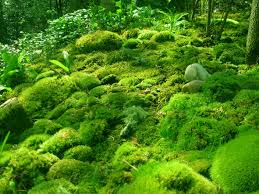
moss 苔藓,地衣
来自古英语mos,沼泽,泥沼,来自PIE*meus,湿气,水气,词源同moist,must.引申词义苔藓,地衣。
英语词源
- moss
-
moss: [OE] The prehistoric Germanic ancestor of moss was *musam. This had two distinct meanings: ‘swamp’ and ‘moss’. It is not altogether clear which was primary, but it seems more probable than not that ‘moss’ (a plant which frequents damp places) was derived from ‘swamp’. The only meaning recorded for its Old English descendant mos was ‘swamp’ (which survives in place-names), but no doubt ‘moss’ (not evidenced before the 14th century) was current too.
Words from the same ultimate source to have found their way into English include mire [14] (borrowed from Old Norse mýrr ‘swamp’), mousse [19] (borrowed from French, which got it from Middle Low German mos ‘moss’), and litmus [16] (whose Old Norse source litmosi meant literally ‘dye-moss’ – litmus is a dye extracted from lichens).
=> litmus, mire, mousse - moss (n.)
- Old English meos "moss," related to mos "bog," from Proto-Germanic *musan (cognates: Old High German mios, Danish mos, German Moos), also in part from Old Norse mosi "moss, bog," and Medieval Latin mossa "moss," from the same Germanic source, from PIE *meus- "damp," with derivatives referring to swamps and swamp vegetation (cognates: Latin muscus "moss," Lithuanian musai "mold, mildew," Old Church Slavonic muchu "moss").
Selden Moseþ þe Marbelston þat men ofte treden. ["Piers Plowman," 1362]
All the Germanic languages have the word in both senses, which is natural because moss is the characteristic plant of boggy places. It is impossible to say which sense is original. Scott (1805) revived 17c. moss-trooper "freebooter infesting Scottish border marshes."
权威例句
- 1. "We've got the car that killed Myra Moss." — "What!"
- “我们已经找到撞死迈拉·莫斯的车了。”——“真的!”
- 2. Moss had clamped an unexpectedly strong grip on his arm.
- 莫斯突然紧紧抓住他的手臂。
- 3. The moss was soft and furry to the touch.
- 苔藓柔软,摸起来像绒毛。
- 4. Early work of Moss and Tansley used the formation as a unit.
- Moss和Tensley早期的研究是以群系作为单位.
- 5. Mrs. Moss apologized for her husband.
- 莫斯太太替她丈夫表示歉意.