中文词源
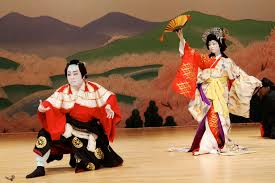
kabuki 歌舞伎
来自日本化汉语,ka,歌,bu,舞,ki,伎。
英语词源
- kabuki (n.)
- 1896, from Japanese, popular theater (as opposed to shadow puppet-plays or lyrical Noh dramas), literally "art of song and dance," from ka "song" + bu "dance" + ki "art, skill" [Barnhart, OED]. Alternative etymology (in Webster's) is from nominal form of kabuku "to be divergent, to deviate," from early opinion of this form of drama. Since c. 1650, all parts are played by males.
权威例句
- 1. Kabuki appeared in the mid - seventeenth century in Japan.
- 日本的歌舞伎兴起于十七世纪中叶.
- 2. In Japan, Koshiro Matsumoto , the Kabuki actor , played Salieri , and audience loved him.
- 日本的歌舞伎演员松本幸四郎演出salieri, 极获好评.
- 3. The most famous ronin were the 47 whose actions were celebrated in the kabuki play Chushingura.
- 有四十七位浪人最为著名,近松门左卫门在《忠臣藏》剧目中颂扬了他们的行为.
- 4. Okuni retired around 1610 and by that time, there were many imitators of kabuki theatre.
- 在公元1610年阿国结束了舞台生涯,到那时截止, 已经有很多歌舞伎戏院的效仿者了.
- 5. It features the onnagata performers, male kabuki actors who perform the roles of women.
- 它的特色是女形表演者, 也就是扮演女性角色的男歌舞伎演员.