记忆方法
1. in- "not, without" + ars (genitive artis) "skill, art" => ert- "skill" + -ia.
2. originally meant "unskilled", but soon developed semantically to "inactive, idle".
2. originally meant "unskilled", but soon developed semantically to "inactive, idle".
看到不对的地方请告诉我们
词族 · inertia
词形变化
派生词
中文词源
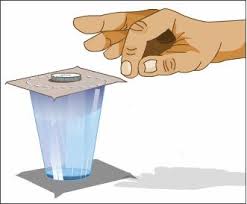
inertia 惰性,惯性
来自inert,惰性的。后17世纪物理学家牛顿用来指物理学上的力的惯性。
英语词源
- inertia (n.)
- 1713, introduced as a term in physics 17c. by German astronomer and physician Johann Kepler (1571-1630), from Latin inertia "unskillfulness, idleness," from iners (genitive inertis) "unskilled, inactive;" see inert. Used in Modern Latin by Newton (1687). Sense of "apathy" first recorded 1822.
权威例句
- 1. I can't seem to throw off this feeling of inertia.
- 我好像无法摆脱这种无力的感觉。
- 2. We had a feeling of inertia in the afternoon.
- 下午我们感觉很懒.
- 3. Inertia carried the plane onto the ground.
- 飞机靠惯性着陆.
- 4. Inertia carried the car to the pavement.
- 惯性使汽车驶到了人行道上.
- 5. Part of it, she knew, was the inertia of protracted custom.
- 她知道部分的原因是长期习惯养成的惰性.