记忆方法
1. 吃(ate)的最多(-est)的行业.
看到不对的地方请告诉我们
词族 · estate
词形变化
中文词源
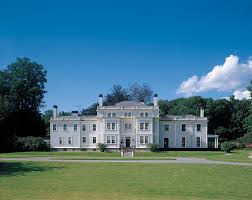
estate 庄园
e-, 缓音字母。-stat, 站立,词源同stand,instate.用来指庄园或房产。
英语词源
- estate
-
estate: [13] Essentially, estate and state are the same word, and originally their meanings were very close (the now archaic ‘reach man’s estate’, for instance, signifies ‘reach the state of manhood’). From the 15th century, however, they began to diverge, estate taking a semantic path via ‘interest in property’ to ‘such property itself’, and finally, in the 18th century, to the ‘land owned by someone’. Both come via Old French estat from Latin status ‘way of standing, condition’ (source of English status), a derivative of the verb stāre ‘stand’ (a relative of English stand).
=> stand, state, statue, status - estate (n.)
- early 13c., "rank, standing, condition," from Anglo-French astat, Old French estat "state, position, condition, health, status, legal estate" (13c., Modern French état), from Latin status "state or condition, position, place; social position of the aristocracy," from PIE root *sta- "to stand" (see stet).
For the excrescent e-, see e-. Sense of "property" is late 14c., from that of "worldly prosperity;" specific application to "landed property" (usually of large extent) is first recorded in American English 1620s. A native word for this was Middle English ethel (Old English æðel) "ancestral land or estate, patrimony." Meaning "collective assets of a dead person or debtor" is from 1830.
The three estates (in Sweden and Aragon, four) conceived as orders in the body politic date from late 14c. In France, they are the clergy, nobles, and townsmen; in England, originally the clergy, barons, and commons, later Lords Spiritual, Lords Temporal, and commons. For Fourth Estate see four.
权威例句
- 1. By his own admission, he evaded taxes as a Florida real-estate speculator.
- 他亲口承认自己在佛罗里达从事房地产投机生意时逃过税。
- 2. The allowable deduction is apportioned between the estate and the beneficiaries.
- 减免的税额在地产和受益人之间分摊。
- 3. We went straight to the estate agent and wrote out a cheque.
- 我们径直到房地产经纪人那里开了一张支票。
- 4. The 77,000-acre estate contains five of the highest peaks in Scotland.
- 7.7万英亩的私人土地上有5座苏格兰最高的山峰。
- 5. His mother's small estate had passed to him after her death.
- 他母亲死后留给他一小笔遗产。
词语辨析
【resources, assets, goods, wealth, property, estate】
这组词都有“财产、财富”的意思,其区别是:
resources: 指在需要时可以动用的财产,包括国家土地、矿藏、水力等自然资源或个人的存款及其他财产。
assets: 法律和商业用词,指包括全部动产和不动产的资产。
goods: 含义较窄,主要指个人动产。
wealth: 普通用词,含义广。既可指大笔的钱财或物质财富,也可指抽象的精神财富。
property: 含义较estate宽,指个人或团体合法拥有的财产,包括动产与不动产,或临时的财产。
estate: 多指地产或建在地面上的房产。
这组词都有“财产、财富”的意思,其区别是:
resources: 指在需要时可以动用的财产,包括国家土地、矿藏、水力等自然资源或个人的存款及其他财产。
assets: 法律和商业用词,指包括全部动产和不动产的资产。
goods: 含义较窄,主要指个人动产。
wealth: 普通用词,含义广。既可指大笔的钱财或物质财富,也可指抽象的精神财富。
property: 含义较estate宽,指个人或团体合法拥有的财产,包括动产与不动产,或临时的财产。
estate: 多指地产或建在地面上的房产。