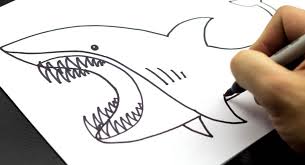
记忆方法
将“draw”与“drwa”或“drow”这样的字母顺序游戏联系起来,想象自己像画家一样,慢慢地“drow”(画)出一个形状或线条,以帮助记忆单词的拼写。
机器生成的内容难免有错,看到不靠谱的拆解请告诉我们
词族 · draw
中文词源
draw 拉动,描绘
来自PIE*dhragh, 拉,吸出,词源同drag. 引申义画画,描绘。
英语词源
- draw
-
draw: [OE] The Old English ancestor of modern English draw was dragan, which came from a prehistoric Germanic verb *dragan (source also of English drag). This seems to have meant originally ‘carry’ (which is what its German and Dutch descendants tragen and dragen still mean). In English and the Scandinavian languages, however (Swedish draga, for instance), it has evolved to ‘pull’. ‘Sketch’, perhaps the word’s most common modern English sense, developed in Middle English from the notion of ‘drawing’ or ‘pulling’ a pencil, brush, etc across a surface. Dray ‘wagon’ [14] is related to, and perhaps originally came from, Old English dragan.
=> drag, draught, dray - draw (v.)
- c. 1200, spelling alteration of Old English dragan "to drag, to draw, protract" (class VI strong verb; past tense drog, past participle dragen), from Proto-Germanic *dragan "to draw, pull" (cognates: Old Norse draga "to draw," Old Saxon dragan, Old Frisian draga, Middle Dutch draghen, Old High German tragen, German tragen "to carry, bear"), from PIE root *dhragh- (see drag (v.)).
Sense of "make a line or figure" (by "drawing" a pencil across paper) is c. 1200. Meaning "pull out a weapon" is c. 1200. To draw a criminal (drag him from a horse to place of execution) is from early 14c. To draw a blank "come up with nothing" (1825) is an image from lotteries. As a noun, from 1660s; colloquial sense of "anything that can draw a crowd" is from 1881 (the verb in this sense is 1580s). - draw (n.)
- game or contest that ends without a winner, attested first in drawn match (1610s), of uncertain origin; some speculate it is from withdraw. Draw-game is from 1825. As a verb, "to leave undecided," from 1837.
权威例句
- 1. He was waving his arms to draw their attention.
- 他正挥手以引起他们的注意。
- 2. She learned to draw by tracing pictures out of old storybooks.
- 她通过描摹旧故事书上的图画学会了画画。
- 3. Entry to this prize draw is limited to UK residents.
- 这次抽奖只限英国公民参加。
- 4. We delved through a sackful of letters to draw the winning name.
- 我们把手探进一袋信件中抽取获奖者。
- 5. He learned how to draw the unclothed human frame.
- 他学过如何画裸体。
词语辨析
【draw, jerk, tow, pull, drag, haul, tug】
这组词都有“拖、拉”的意思,其区别是:
draw: 指将人或物朝出力者的方向拖,不涉及力的大小,含平稳意味,常作借喻用。
jerk: 指快而突然地拉。
tow: 特指用绳子或链条等拖或拉本身无动力或无法使用自身动力的东西。
pull: 最普通用词,包含本组其它各词的一些意思,可指朝各个方向拉,侧重一时或突然拉动的动作。
drag: 指沿斜坡而上或水平方向缓慢地拖或拉十分沉重的人或物。作借喻时可指把人硬拉扯过来。
haul: 指用力拖或拉,不涉及方向,多作航海用词。
tug: 多指一阵阵地用力拖或拉,但不一定使被拉的人或物移动。
这组词都有“拖、拉”的意思,其区别是:
draw: 指将人或物朝出力者的方向拖,不涉及力的大小,含平稳意味,常作借喻用。
jerk: 指快而突然地拉。
tow: 特指用绳子或链条等拖或拉本身无动力或无法使用自身动力的东西。
pull: 最普通用词,包含本组其它各词的一些意思,可指朝各个方向拉,侧重一时或突然拉动的动作。
drag: 指沿斜坡而上或水平方向缓慢地拖或拉十分沉重的人或物。作借喻时可指把人硬拉扯过来。
haul: 指用力拖或拉,不涉及方向,多作航海用词。
tug: 多指一阵阵地用力拖或拉,但不一定使被拉的人或物移动。