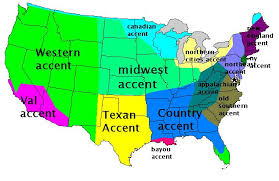
记忆方法
1. dialect 本义为:way of speaking (说话方式), 由此引申为:方言。
2. acrolect (上层方言):acro- "topmost" (最高点) + dialect.
3. basilect (下层方言):basi- "lower part" (底部) + dialect.
4. idiolect (个人语型):idio- "one's own" (自身的,个人的) + dialect.
2. acrolect (上层方言):acro- "topmost" (最高点) + dialect.
3. basilect (下层方言):basi- "lower part" (底部) + dialect.
4. idiolect (个人语型):idio- "one's own" (自身的,个人的) + dialect.
看到不对的地方请告诉我们
词族 · dialect
词形变化
派生词
中文词源
dialect 方言
dia-, 穿过,相互。-lect, 说,词源同lecture, legible. 即人与人之的对话交流,后用来指区域性的语言,即方言。
英语词源
- dialect
-
dialect: [16] The notion underlying dialect and its relatives dialectic [14] and dialogue [13] is of ‘conversation’. They come ultimately from Greek dialégesthai ‘converse’, a compound verb formed from the prefix dia- ‘with each other’ and légein ‘speak’ (source of English lecture and a wide range of related words). This formed the basis of two derived nouns.
First diálektos ‘conversation, discourse’, hence ‘way of speaking’ and eventually ‘local speech’, which passed into English via Latin dialectus and Old French dialecte (from it was produced the adjective dialektikós ‘of conversation, discussion, or debate’, which was eventually to become English dialectic). Secondly diálogos ‘conversation’, which again reached English via Latin and Old French.
=> lecture - dialect (n.)
- 1570s, "form of speech of a region or group," from Middle French dialecte, from Latin dialectus "local language, way of speaking, conversation," from Greek dialektos "talk, conversation, speech;" also "the language of a country, dialect," from dialegesthai "converse with each other," from dia- "across, between" (see dia-) + legein "speak" (see lecture (n.)).
权威例句
- 1. In the fifties, many Italians spoke only local dialect.
- 在20世纪50年代,许多意大利人只会说当地方言。
- 2. Cockney is the colourful dialect spoken in the East End of London.
- 伦敦方言是在伦敦东区讲的颇有特色的地方语.
- 3. He wrote a play in a local dialect.
- 他用当地方言写了一个剧本.
- 4. After all these years she had reverted to her Veneto dialect and nobody could understand what she was saying.
- 这么多年后,她又开始讲威尼托方言,没有人能听懂她的话。
- 5. The dialect is spoken principally in the rural areas.
- 这种方言主要在农村地区使用。
词语辨析
【tone, dialect, accent】
这三个名词意思相近,容易混淆。
tone: n.语气,音调,指说话人的口气或声音的高低、轻重等。
• He speaks to his baby in soft tones. 他用柔和的语调和他的婴儿说话。
dialect: n.方言,土语,地方话,指一个地区人们所使用的语言。
• the Yorkshire dialect 约克郡方言the Sichuan dialect四川方言
accent: n.口音,指某一地区语言的发音特征;重音。
• He speaks English with a Spanish accent. 他讲英语带有西班牙口音。
【speech, laguage, tongue, slang, dialect, idiom】
这组词都有“语言”的意思,其区别是:
speech: 特指人的口语,也指正式的讲话。
laguage: 普通用词,含义广。指人的语言或文字,或动物的语言。既可指口头或书面语言,也可指手势语等。
tongue: 书面用词,指人的语言,亦指人的母语。
slang: 指俚语。
dialect: 指一种语言中,某一地方所特有的语言形式,即方言。
idiom: 指一种语言中一般由几个词结合成短语或句子的特殊表达方式,即惯用语、成语。也指方言。