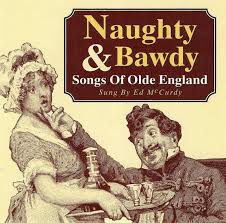
记忆方法
bawdy-------"鸨的"----------------淫秽的.
1. body => 出卖身体的人。
bawdy:鸨地。老鸨工作的地方是妓院,妓院代表的是——淫猥的,好色的。
【记】body 肉体→沉迷于肉体;音:鸨(拼音 bao3)的,妓院的老鸨是下流的
【相关】lewd 音:露的 放荡
1. body => 出卖身体的人。
bawdy:鸨地。老鸨工作的地方是妓院,妓院代表的是——淫猥的,好色的。
【记】body 肉体→沉迷于肉体;音:鸨(拼音 bao3)的,妓院的老鸨是下流的
【相关】lewd 音:露的 放荡
看到不对的地方请告诉我们
词族 · bawdy
英语词源
- bawdy
-
bawdy: [15] The adjective bawdy appears on the scene relatively late, but it is a derivative of bawd ‘prostitute’ or ‘madam’, which entered English in the 14th century. Its origins are not altogether clear, but it appears to have come from the Old French adjective baud ‘lively, merry, bold’, which in turn was probably acquired from Germanic *bald-, source of English bold.
=> bold - bawdy (adj.)
- late 14c., "soiled, dirty, filthy," from bawd + -y (2). Meaning "lewd" is from 1510s, from notion of "pertaining to or befitting a bawd;" usually of language (originally to talk bawdy).
Bawdy Basket, the twenty-third rank of canters, who carry pins, tape, ballads and obscene books to sell. [Grose, "Dictionary of the Vulgar Tongue," 1785]
Related: Bawdily; bawdiness.
权威例句
- 1. We got arrested once, for singing bawdy songs in a cemetery.
- 我们曾经因为在公墓唱下流歌曲而被拘留过一次。
- 2. After a few drinks, they were all singing bawdy songs at the top of their voices.
- 喝了几杯酒之后, 他们就扯着嗓门唱一些下流歌曲.
- 3. His eyes were shrewd and bawdy.
- 他的一双眼睛机灵而轻佻.
- 4. Their " guests " would sing bawdy songs as they approached, to show they were no greenhorns.
- 那来照顾她们的,还老远的要唱着窑调, 显出自己并不是外行.
- 5. All the people in the party were disgusted with his bawdy jokes.
- 所有参加宴会的人都厌恶他那淫秽的笑话.