记忆方法
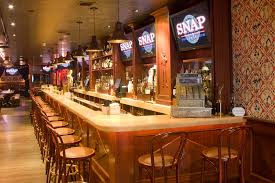
1. 音译“吧”----酒吧。
看到不对的地方请告诉我们
词族 · bar
中文词源
bar 条,棒,酒吧,律师
词源不详。酒吧义来自酒馆木架陈列的待售酒类。律师义来自旧时条棒隔开律师与法官。
英语词源
- bar
-
bar: [12] The history of bar cannot be traced back very far. Forms in various Romance languages, such as French barre (source of the English verb) and Italian and Spanish barra, point to a Vulgar Latin *barra, but beyond that nothing is known. The original sense of a ‘rail’ or ‘barrier’ has developed various figurative applications over the centuries: in the 14th century to the ‘rail in a court before which a prisoner was arraigned’ (as in ‘prisoner at the bar’); in the 16th century to a ‘partition separating qualified from unqualified lawyers in hall’ (as in ‘call to the bar’); and also in the 16th century to a ‘counter at which drink is served’.
Related nouns include barrage [19], originally an ‘artificial obstruction in a waterway’, and barrier [14], from Anglo- Norman barrere.
=> barrage, barrel, barrier, barrister, embargo - bar (n.1)
- late 12c., "stake or rod of iron used to fasten a door or gate," from Old French barre (12c.) "beam, bar, gate, barrier," from Vulgar Latin *barra "bar, barrier," which some suggest is from Gaulish *barros "the bushy end" [Gamillscheg], but OED regards this as "discredited" because it "in no way suits the sense." Of soap, by 1833; of candy, by 1906 (the process itself dates to the 1840s). Meaning "bank of sand across a harbor or river mouth" is from 1580s, probably so called because it was an obstruction to navigation. Bar graph is attested from 1925. Bar code first recorded 1963. Behind bars "in prison" is attested by 1934, U.S.
- bar (v.)
- c. 1300, "to fasten (a gate, etc.) with a bar," from bar (n.1); sense of "to obstruct, prevent" is recorded by 1570s. Expression bar none "without exception" is recorded from 1866.
- bar (n.2)
- "tavern," 1590s, so called in reference to the bars of the barrier or counter over which drinks or food were served to customers (see bar (n.1)).
- bar (n.3)
- "whole body of lawyers, the legal profession," 1550s, a sense which derives ultimately from the railing that separated benchers from the hall in the Inns of Court. Students who had attained a certain standing were "called" to it to take part in the important exercises of the house. After c. 1600, however, this was popularly assumed to mean the bar in a courtroom, which was the wooden railing marking off the area around the judge's seat, where prisoners stood for arraignment and where a barrister (q.v.) stood to plead. As the place where the business of court was done, bar in this sense had become synonymous with "court" by early 14c.
- bar (n.4)
- unit of pressure, coined 1903 from Greek baros "weight," related to barys "heavy," from PIE root *gwere- (2) "heavy" (see grave (adj.)).
权威例句
- 1. They drink bitter on draught in the local bar.
- 他们在当地的酒吧里喝桶装的苦啤酒。
- 2. Felicity Maxwell stood by the bar and ordered a glass of wine.
- 费利西蒂·马克斯韦尔站在吧台旁,要了一杯红酒。
- 3. Michael was standing alone by the bar when Brian rejoined him.
- 布赖恩回到迈克尔身边时,他正一个人站在吧台旁边。
- 4. He was sidling into the bar, obviously trying to be inconspicuous.
- 他悄悄地走进酒吧,显然不想引起注意。
- 5. The local bar has been pressed into service as a school.
- 当地的酒吧被暂时用作学校。
词语辨析
【hamper, hinder, block, prevent, bar, obstruct】
这组词都有“阻止、阻塞”的意思,其区别是:
hamper: 侧重因受到约束或阻碍而造成的行动困难。
hinder: 语气较轻,多指阻碍、拖延人或事,强调使进展速度缓慢下来。
block: 语气强烈,指有效堵住了通道,使人或物无法通过。
prevent: 含义广泛,指采取预防措施或设置障碍去阻止某人或某事。
bar: 含义与block很接近,指阻塞通道或禁止出入,但有对暗示不用障碍物的阻止或禁止。
obstruct: 正式用词,语气强,多指以干扰或设置障碍的方式阻碍交通,使不能自由畅通。
【obstruction, barrier, hindrance, obstacle, bar】
这组词都有“障碍(物)”的意思,其区别是:
obstruction: 常既指具体的障碍又可指抽象或喻意上的阻碍。
barrier: 常指临时的或者可能跨越的障碍。
hindrance: 指妨碍他人进步或做事的人或物。
obstacle: 指在达到目的或前进的过程中必须消除或绕过的障碍物,也指起阻碍作用等情况。
bar: 既可指阻止进出或通过的栅栏一类的障碍物,也可用于抽象意义障碍。