antigen
英 [ˈæn.tɪ.dʒən]
美 [ˈæn.t̬i.dʒən]
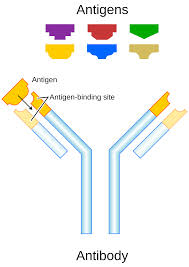
- n. [免疫] 抗原
星级词汇:
记忆方法
将“antigen”分解为“anti”和“gen”,其中“anti”意味着反对或相反,而“gen”常常与“gene”关联,代表基因。想象抗原是一种能够激发人体免疫系统产生反应的“基因”物质,它“对抗”人体的正常基因表达,以此来记忆该单词的含义是免疫系统识别的外来物质。
以上内容由AI生成, 仅供参考和借鉴
中文词源
antigen 抗原
前缀anti-, 相对,相反。词根gen,产生,原。
英语词源
- antigen (n.)
- "substance that causes production of an antibody," 1908, from German Antigen, from French antigène (1899), from anti- (see anti-) + Greek -gen (see -gen).
权威例句
- 1. Antigen interacts with the surface of sensitized mast cells.
- 抗原与致敏的肥大细胞表面互相作用.
- 2. Another method of maintaining antigen persistence is through use of an adjuvant.
- 使用佐剂是保持抗原持续存留的另一方法.
- 3. Antigen density on the tumor cell surface influences the cytotoxic sensitivity.
- 瘤细胞表面的抗原密度影响细胞毒的敏感性.
- 4. They bind to antigen -- antibody complexes.
- 它们粘附在抗原 ― ―抗体复合物上.
- 5. Each antigen may have many different determinants.
- 每一个抗原分子可以有数个不同的决定簇.