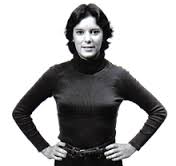
记忆方法
记忆“akimbo”的方法可以将其与“arm”结合记忆。想象一个人的两臂以“akimbo”的姿势(即手腕相扣,手臂弯曲在身体两侧)展开,就像“arm”的两端。这种方法通过视觉联想帮助记忆这个特殊的姿势和相应的单词。
机器生成的内容难免有错,看到不靠谱的拆解请告诉我们
中文词源
akimbo 叉腰的
可能来自短语 in keen bow.
英语词源
- akimbo
-
akimbo: [15] Akimbo was borrowed from Old Norse. Its original English spelling (which occurs only once, in the Tale of Beryn 1400) was in kenebowe, which suggests a probable Old Norse precursor *i keng boginn (never actually discovered), meaning literally ‘bent in a curve’ (Old Norse bogi is related to English bow); hence the notion of the arms sticking out at the side, elbows bent. When the word next appears in English, in the early 17th century, it has become on kenbow or a kenbo, and by the 18th century akimbo has arrived.
=> bow - akimbo
- c. 1400, in kenebowe, of unknown origin, perhaps from Middle English phrase in keen bow "at a sharp angle," or from a Scandinavian word akin to Icelandic kengboginn "bow-bent," but this seems not to have been used in this exact sense. Many languages use a teapot metaphor for this, such as French faire le pot a deux anses "to play the pot with two handles."
权威例句
- 1. He stands with arms akimbo.
- 他双手叉腰立着.
- 2. He stood in front of the shop with arms akimbo.
- 他两手叉腰,站在铺子前.
- 3. As follows: legs open, shoulder width, arms akimbo.
- 方法如下: 两脚开立, 与肩同宽, 双手叉腰.
- 4. He is sitting with legs akimBo.
- 他曲腿坐着.
- 5. Children standing akimbo by the fence.
- 他两手叉腰站立着.