词族 · Hun
词形变化
中文词源
Hun 德国佬
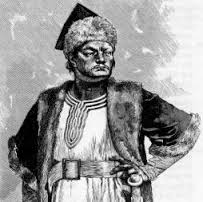
来自古英语Hun,中亚地区游牧部落,来自土耳其语Hun-yu,即中国汉朝时北方少数民族匈奴,在公元4世纪时横扫欧洲,被成为野蛮的代名词。在一战时期该词用来指德国佬。
英语词源
- Hun
- Old English, person from a tribe from central Asia that overran Europe in the 4c. and 5c., from Medieval Latin Hunni, apparently ultimately from Turkic Hun-yü, the name of a tribe (they were known in China as Han or Hiong-nu). Figurative sense of "reckless destroyer of beauty" is from 1806. Applied to the German in World War I by their enemies because of stories of atrocities, but the nickname originally was urged on German soldiers bound for China by Kaiser Wilhelm II in 1900, which caused a scandal.
权威例句
- 1. Hun-garian businessmen have had a head start over most of their Eastern European neighbors.
- 匈牙利商人已经领先于东欧邻国的大多数同行了。
- 2. Prime Minister Hun Sen has sought to steer a course between the two groups.
- 洪森首相设法游走于两个集团之间。
- 3. The fifth century was the Hun's century.
- 5世纪是匈奴的世纪.
- 4. Let the Hun do that.
- 让德国佬去干那种事儿.
- 5. But these great Hun raids practically consummated the end of the Latin Roman Empire.
- 不过这些大规模的匈奴袭击实际上促成了拉丁语系罗马帝国的灭亡.